|
|
What
is Tao? |
by Derek Lin |
| Tao (pronounced "dao") means literally "the path" or
"the way." It is a universal principle that underlies everything from the
creation of galaxies to the interaction of human beings. The workings of Tao are vast and
often beyond human logic. In order to understand Tao, reasoning alone will not suffice.
One must also apply intuition. In our study of Tao, our source material is Tao Te Ching
(pronounced "Dao De Jing") by the ancient sage Laozi, a.k.a. Lao Tzu. |
By Tsai Chih Chung
|
Some of Lao Tzu's most significant teachings are as follows:
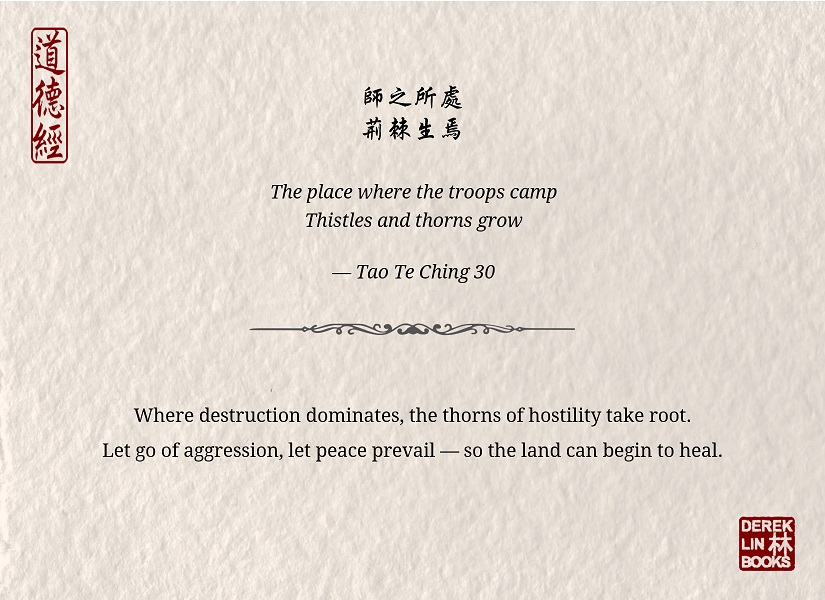
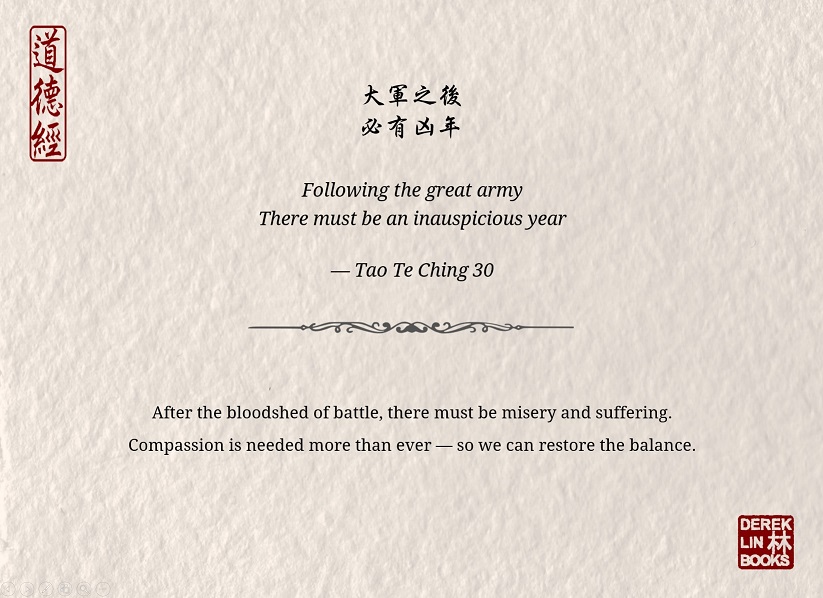
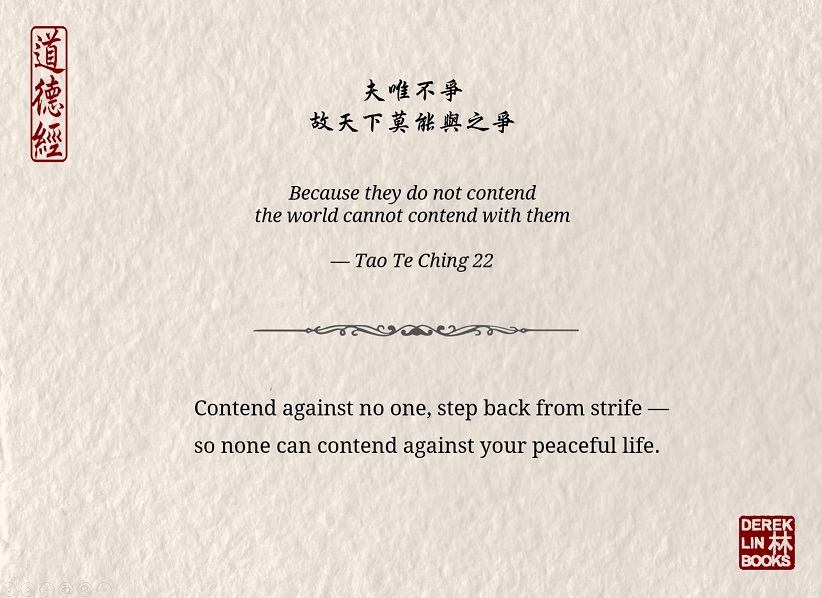
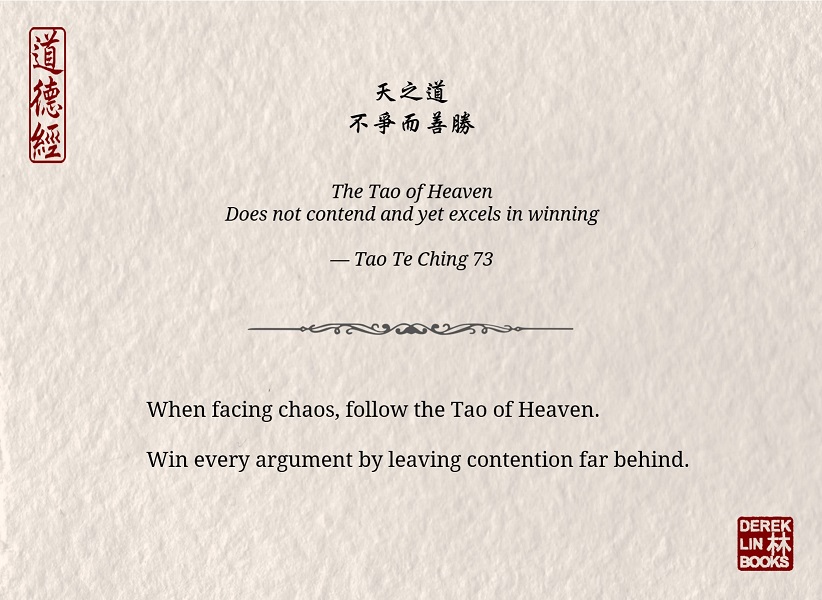
- Non-contention. Lao Tzu noted that violence and
conflict, no matter how tightly controlled, could not help but cause
negative side effects. The Tao ideal is to
solve problems through peaceful means.
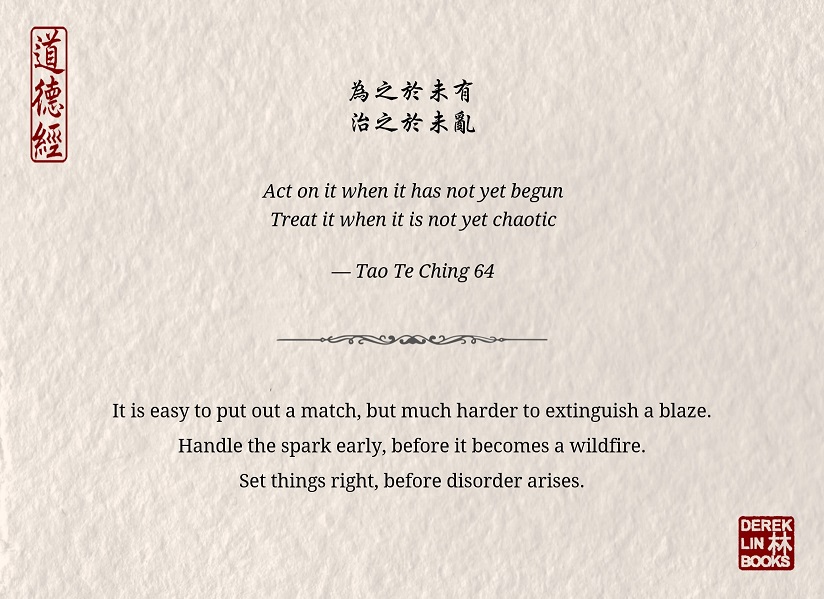
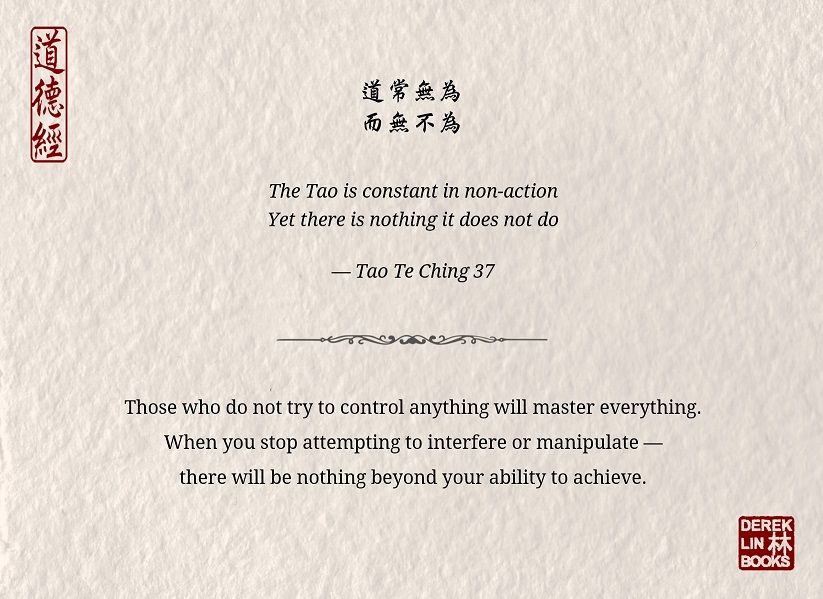
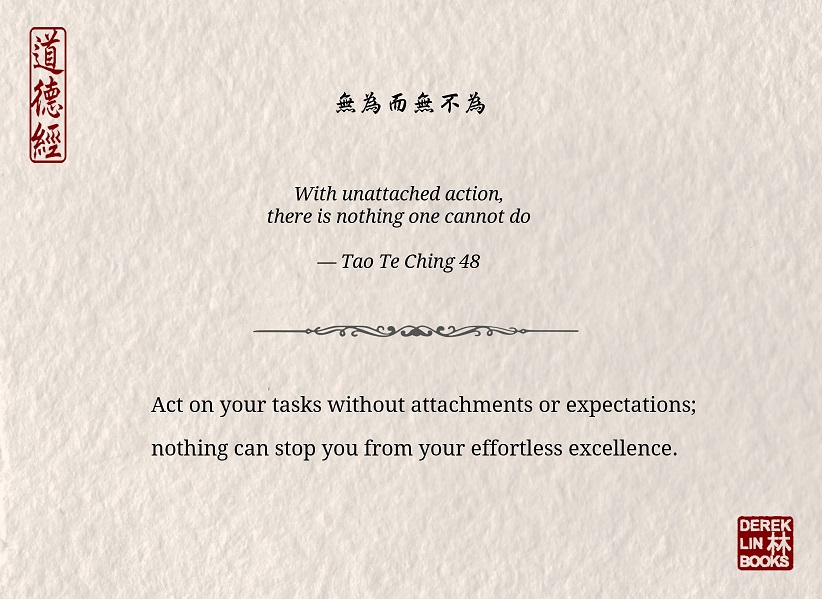
- Non-action. The foolish expend a great deal of energy and time trying
to do everything and end up achieving nothing. On the other end of the spectrum, the truly
wise don't seem to do much at all and yet achieve whatever they want. This magic is
possible, indeed unavoidable, when one is in tune with the Tao.
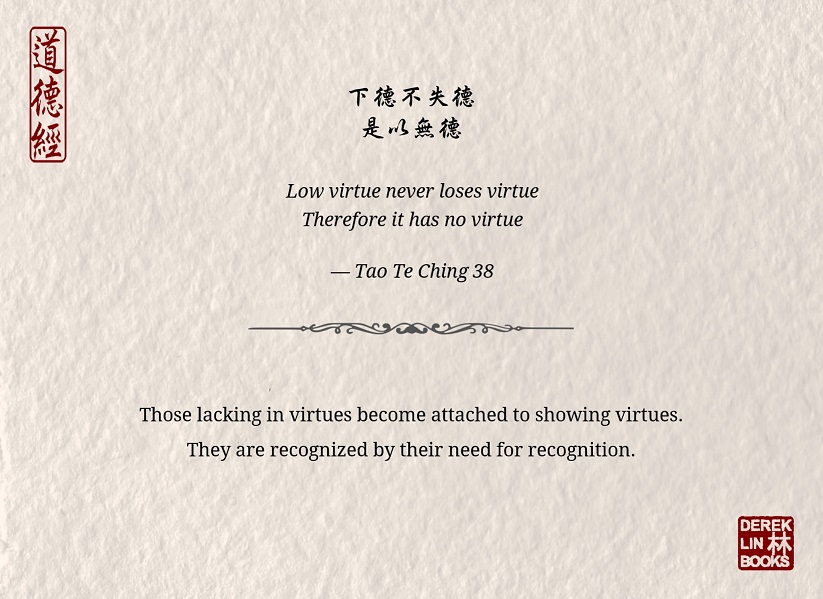
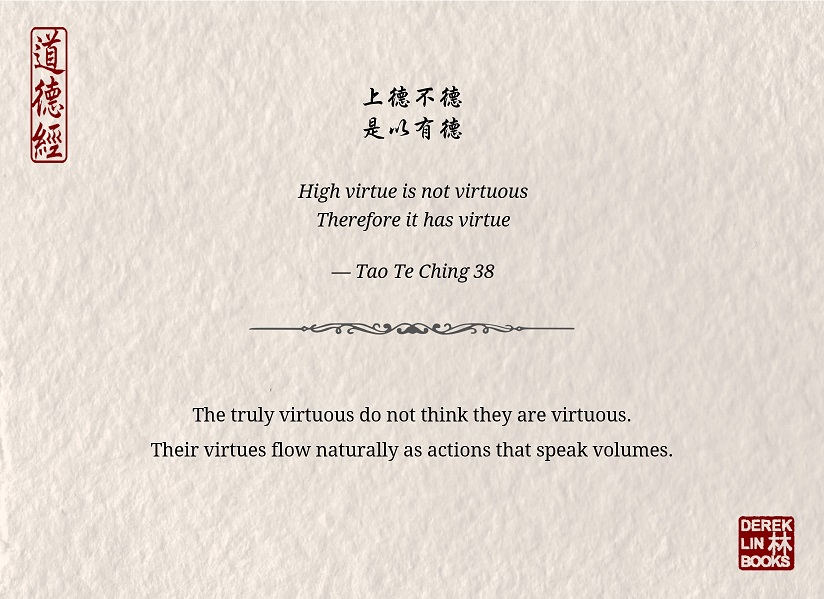
- Non-intention. So often we perform virtuous deeds hoping to receive
praise or recognition. That's no virtue at all. True virtue is a state where such actions
flow forth naturally, requiring no conscious effort or thought.
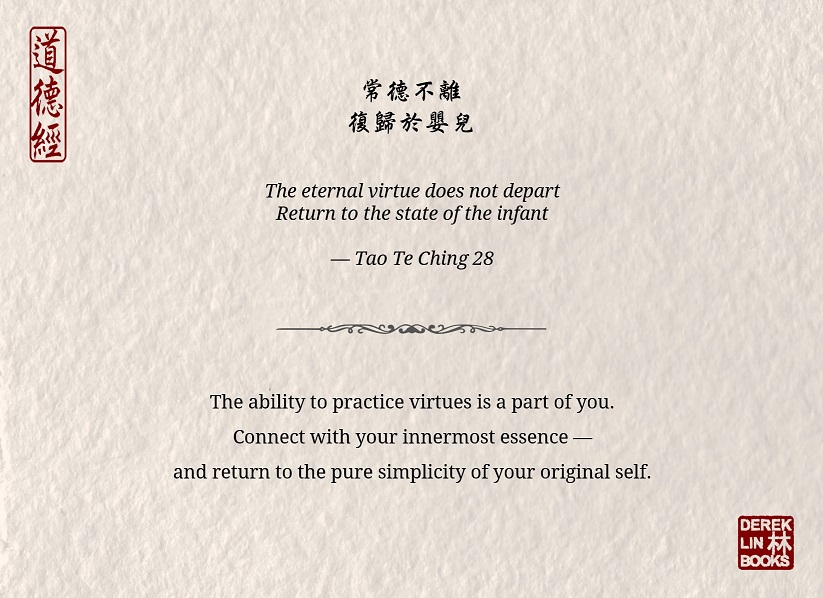
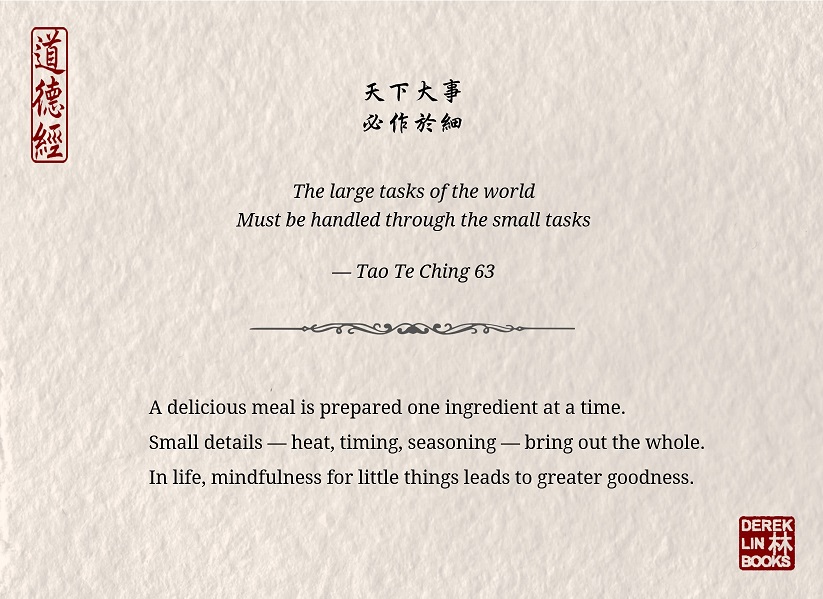
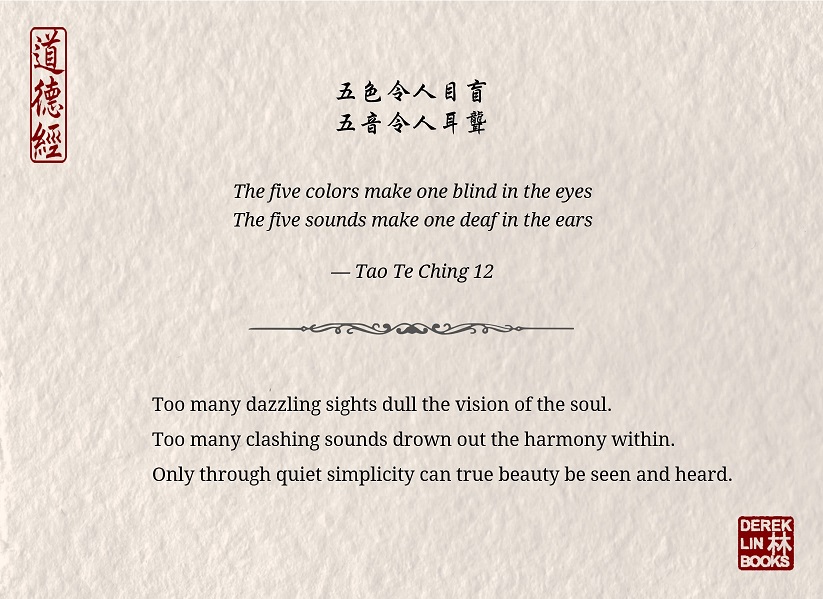
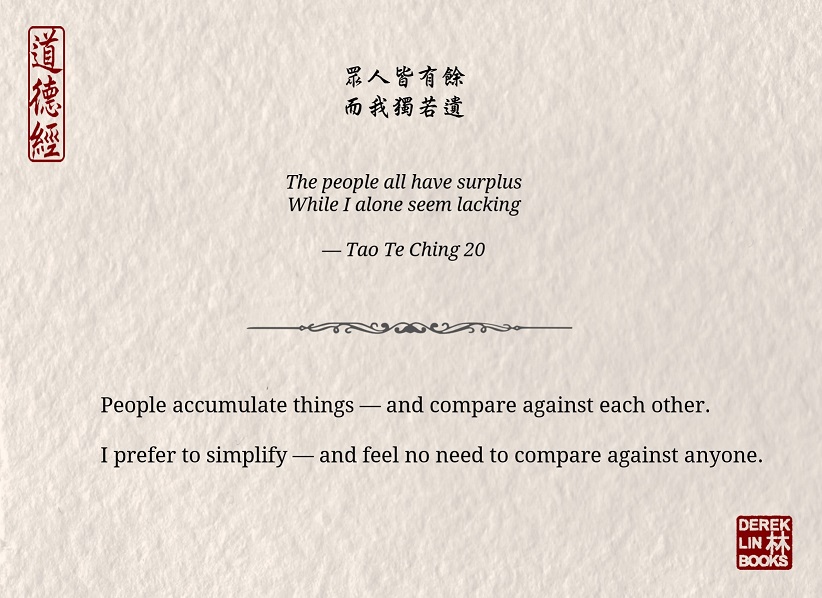
- Simplicity. The basis for our reality and our existence is elemental
and uncomplicated. Human beings create a lot of trouble for themselves by making
everything more complex than they need to be. If we learn to simplify our lives, we can
experience a profound satisfaction that is infinitely more meaningful than the rewards of
the material world.
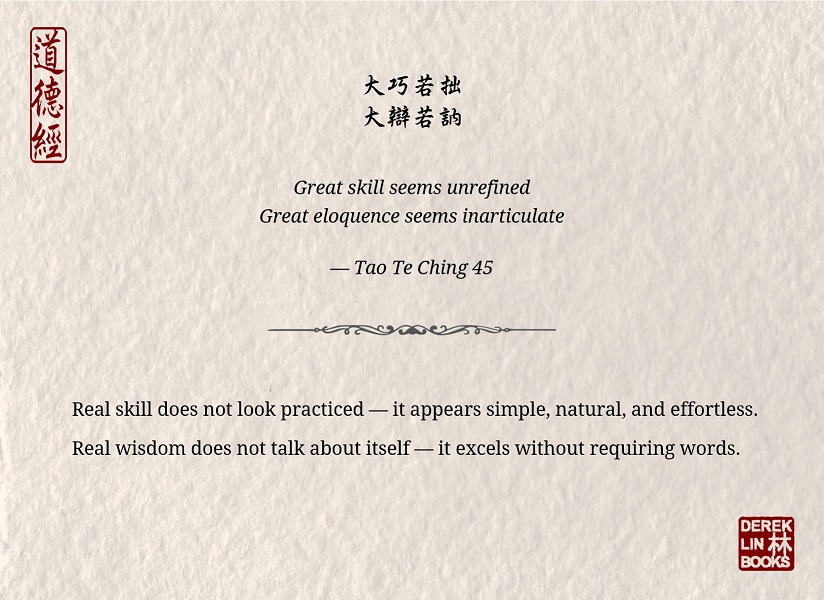
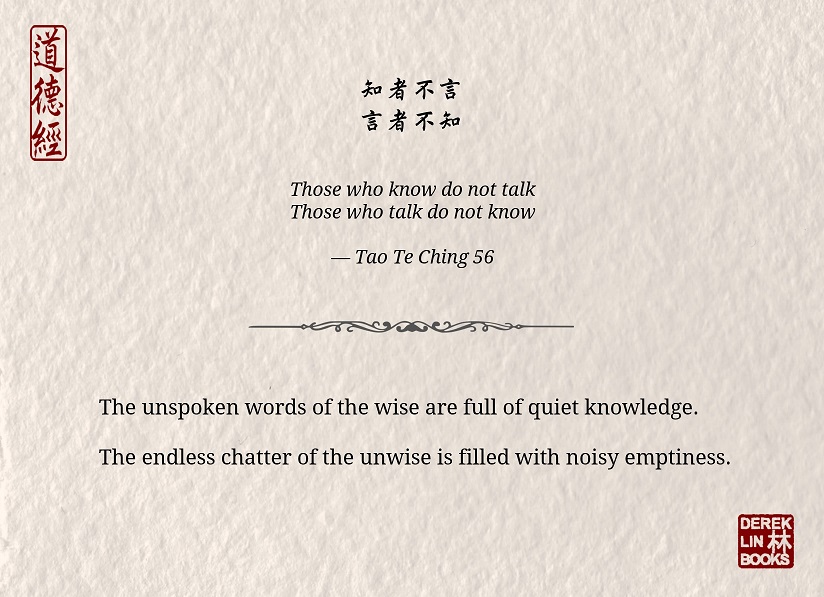
- Wisdom. Logic has its place in human affairs but isn't everything.
There is a limit to what we can understand through rationality and reasoning. To transcend
that limit, we need to engage our intuition fully. This is the key to insights as
opposed to knowledge, and the difference between living the Tao and reading all
about it.
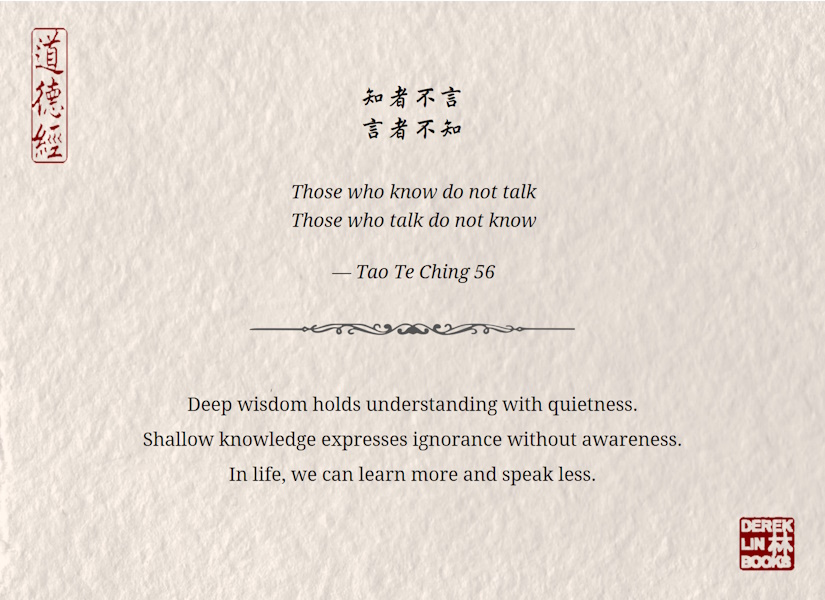
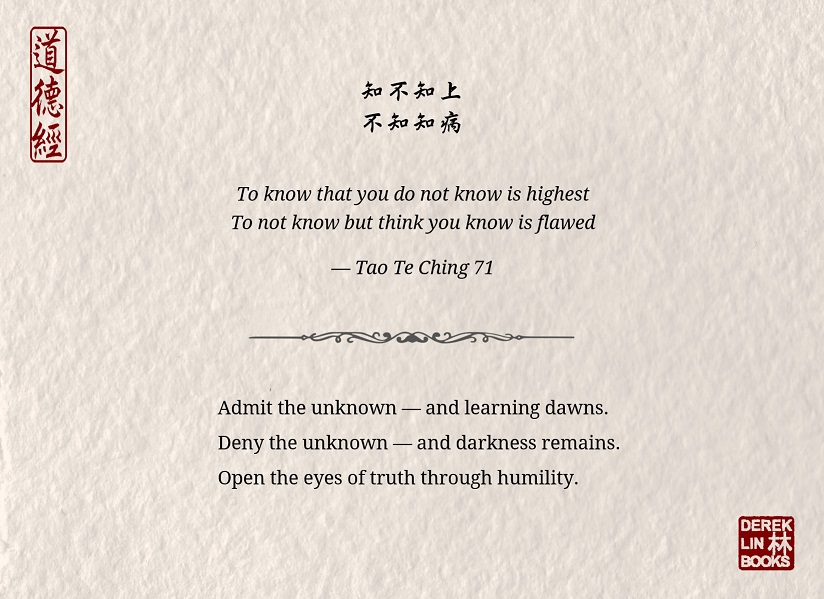
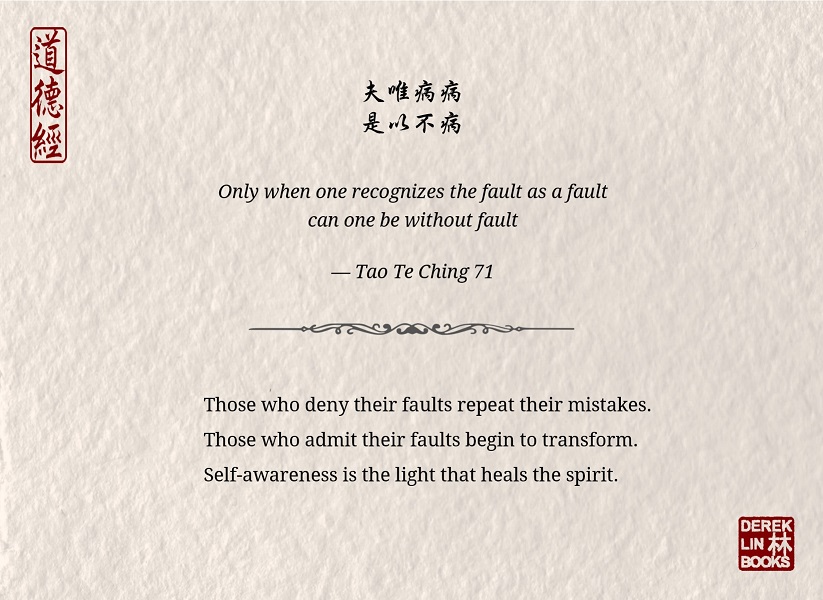
- Humility. The more you learn, the more you realize there's still so
much more to learn. This tends to make you humble. Arrogance and egotism come from
ignorance - knowing a little bit and assuming you know a lot.
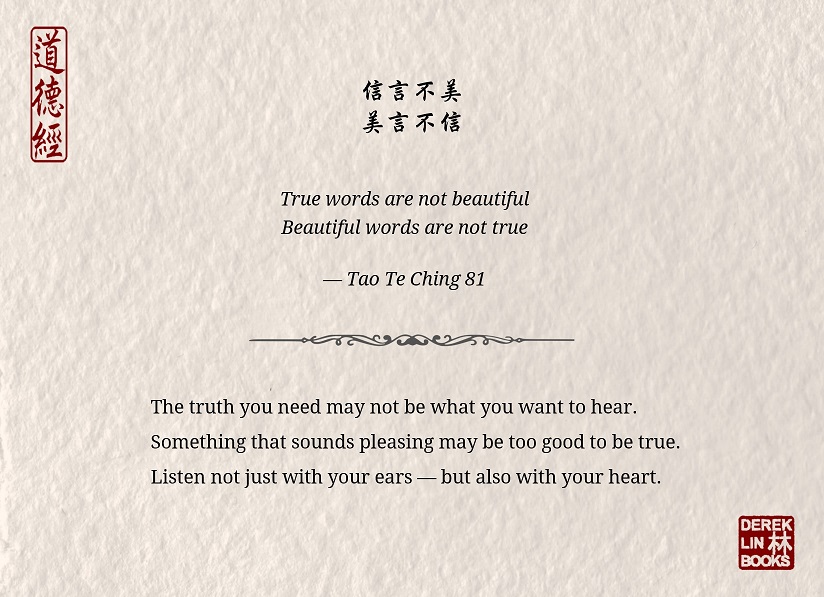
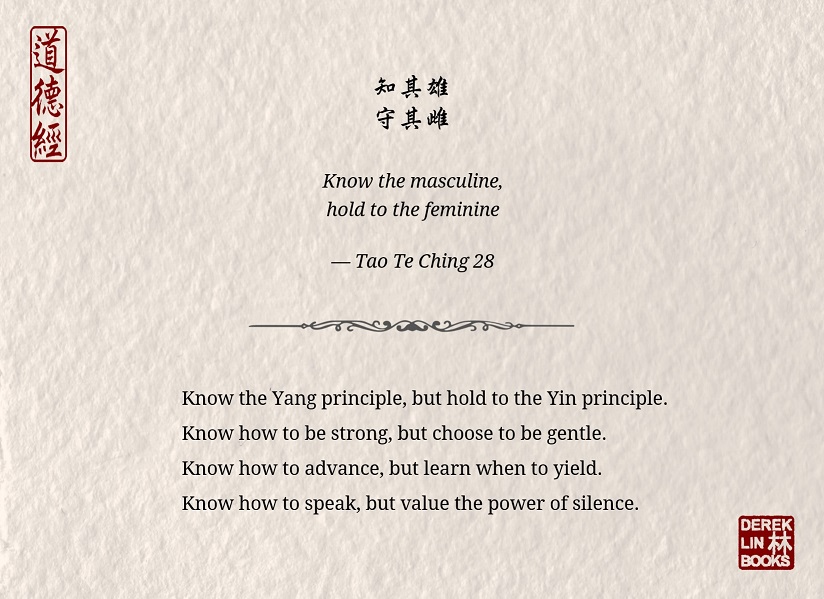
- Duality. Lao Tzu pointed out that all qualities in the world possess
meaning only by the existence of their opposites. Something can only be big if there is
something else that is small by comparison. "Good" exists in the world so long
as "evil" exists as well. One cannot do without the other.
Translation Issues
There have been many English renditions of Tao Te Ching. Unfortunately most contain
imperfect translations or outright mistakes. For instance, the Chinese expression for
"everything" or "myriad things" is often translated literally into
"ten thousand things." Even worse, some translators have mixed in their own
ideas or pet concepts into their work. The list of offenders actually includes some books
that are supposed to be scholarly works written by people with impressive-sounding titles.
To be sure, much of this results from the difficulty in understanding ancient Chinese,
which is quite different from modern Chinese so that even native speakers often have
trouble understanding certain esoteric passages. We have a great opportunity here to set
things straight.
Ironically, the best translation I've found so far is a cartoon rendition of the
classic - a book that some would dismiss as "for kids." Nothing can be further
from the truth. The Tao Speaks by Tsai Chih Chung, translated by Brian Bruya, contains
remarkably accurate interpretations of Tao Te Ching which demonstrate clearly the author's
deep understanding of Laozi's original intent. This comic book and the paperback Backward
Down the Path by Jerry Dalton are what we're using in class as our text books.
Is Taoism a Religion?
Taoism certainly has a religious aspect. However, in this web site we concentrate on
the philosophical aspect, which can be compatible with other religions. Many Christians,
for instance, freely explore the concepts of Taoism and add whatever they think is useful
to their own beliefs. The idea is to explore and learn the correct way or the better way
to live and to conduct our personal affairs by understanding some of the principles that
govern our lives. |